
After a rainy May, suburban central New Jersey is lush with greenery. The landscape is pretty, albeit quite monotonous: lawns, seasonal flowers, common shrubs and trees. An arboretum, on the other hand, aims for more than a pleasant impression. Its collection of plants requires knowledge of horticulture, acreage beyond small suburban plots, and many years of development. The Barnes Arboretum at Saint Joseph’s University is located near Philadelphia. The oasis of 12 acres had started when the site’s previous owner, Joseph Lapsley Wilson, began to assemble a collection of trees in the 1880s. He sold the arboretum in 1922, yet remained its director until his death in 1928. Laura Barnes, the new owner’s wife, continued and expanded the arboretum’s collections.
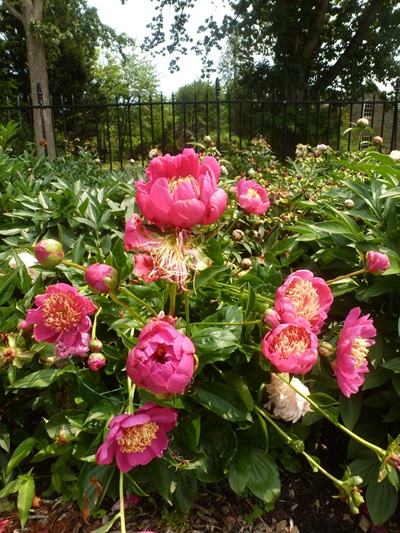
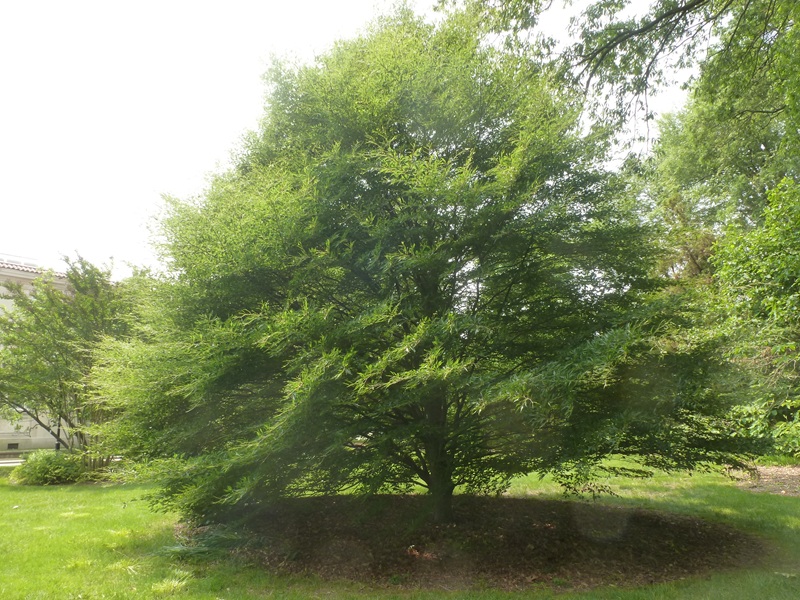
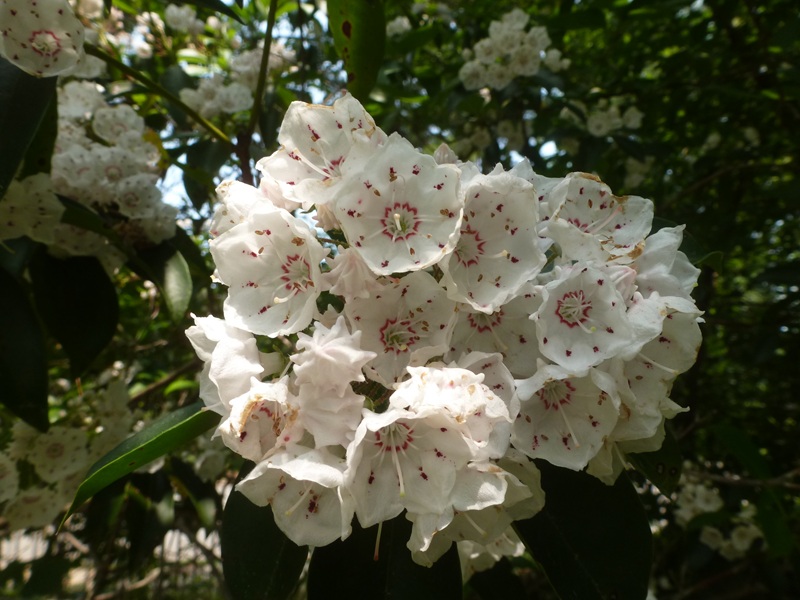
A century later, it is a beautiful and peaceful place, where visitors can stroll on woodchip paths that meander between a variety of trees, ranging from California redwoods to pines from China, and visit a “formal garden” that looks as if it belongs in a British period drama. In late spring, the lilacs are past bloom, but the peonies and roses were magnificent. The native mountain laurel was also in bloom, reaching the size of a tree. The vast majority of trees and plants had name tags. I enjoyed what I saw without trying to memorize the plants’ names and countries of origin. We took hundreds of photos. Here are some:




Another matter I wanted to write about is plain, whole milk yogurt that recently has become hard to find on the shelves of local stores. I did find several organic, non-GMO, and occasionally grass-fed types of yogurt with hard to believe prices, and even these were not always available. Gradually, the idea of home-made yogurt seemed more appealing. Yogurt is a two-ingredients product, I reasoned, and if the preparation process was complicated, people in Eastern Europe and the Middle East would not have made it for millennia. Previous experience with stuff bought and used once or twice, then left to clutter the kitchen for years, taught me not to buy new equipment before I make sure that my family will eat the new food. That left out yogurt machines, special ceramic bowls, thermometers and whatnot.
Next step was to search the internet for an easy recipe. A video clip How to Make Homemade Yogurt – No Machine Required showed that this is doable and not time consuming. I decided to start with a small batch, so if it would turn out inedible, I could use the soured milk to make pancakes.
It worked!
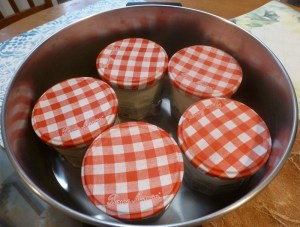
To make five jars of yogurt I use four and half jars of warm milk (regular whole milk from local dairies that verify that the milk does not contain antibiotics) and half a jar of starter (initially I used a store brand of organic whole milk plain yogurt and later the yogurt I made).
Preparation method: It is common to scald the milk, then wait for it to cool, and only then mix in the starter. The very serious seriouseats.com provides a scientific explanation why scalding the milk for several minutes yields a better yogurt. I tried this way and also to warm it just until I could hold a finger inside the milk, and did not notice any difference in taste or texture. One time, I absentmindedly mixed the starter into cold milk. Although I was skeptical that this batch could turn into yogurt, I poured the mix into jars, closed their lids and let them reach a comfortable temperature in a bath of warm water (again the finger test, i.e. holding it in the water for a few seconds). The culture did not care that something was amiss and at the end of the day (about 10-12 hours later), each jar contained yogurt!
My conclusion is that what matters most to make a mild, creamy yogurt is a) to use milk that does not contain things that would inhibit the culture and b) to give the milk and starter mixture enough time to mature in a warm environment.



 T. K. Flor's Blog
For several years we made our own yogurt. It does involve some hardware and time. But, the results were good. fyi… https://ourviewfromiowa.wordpress.com/2013/08/06/homemade-yogurt/
LikeLiked by 1 person
In retrospect, I should have tried to make yogurt years ago, but it did not occur to me before I couldn’t find it in stores. The way I prepared it is quick, but might not work in cold weather. Does the cooler with a lightbulb suffice to keep the temperature warm enough in the winter?
LikeLike
Yes. It worked then just fine.
LikeLiked by 1 person